

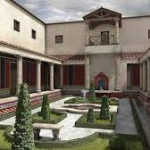
The museum explores the Roman town of Aregenua, the regional capital. The site includes the restored site of a villa (the Grand Peristyle House), the Forum and a museum, providing insight into the Gallo-Roman culture with models, reconstructions, artefacts and many objects and scenes of daily life.
Roman Museum of Vieux
France / Vieux
Museum Paul Dini
France / Villefranche-sur-Saône
The museums’ focus is on modern and contemporary art from about 1870. The collection contains works of impressionists, post-impressionists, Symbolism, Nabis and subsequent artistic developments. Artists from the region and contemporary exhibitions put the collection into a comparative perspective.
Chartreuse Villeneuve les Avignon
France / Villeneuve-les-Avignon
In 1127, the order of the Carthusian monks is born. From the very start, the community splits into two groups: the fathers live a life of prayers in their cells, whereas the brothers take the charge of the necessities of a domestic life and The La Chartreuse of Villeneuve les Avignon took shape in the … Read more » “Chartreuse Villeneuve les Avignon”
Pierre de Luxembourg Museum
France / Villeneuve-les-Avignon
The museum (Musée Pierre-de-Luxembourg) exhibits objects from the abbey of Saint-André and the chartreuse of Val de Bénédiction in Villeneuve-les-Avignon and religious paintings and fine arts from the 14th century onwards.
Fort Saint-Andre
France / Villeneuve-lez-Avignon
Built in 1360, the fort stood at the frontier with the Holy Roman Empire and near the papal residence in Avignon. The fort had a permanent garrison, a court of justice and a prison. Its strategic significance, however, declined in 1480 when Provence became part of France. Soldiers continued to occupy the site until 1792. … Read more » “Fort Saint-Andre”
Victor Hugo Museum
France / Villequier
The museum (Musée Victor Hugo) shows the literary work, drawings and personal belongings of Victor Hugo and of the literary and journalistic works of August Vaquerie, a close friend of Victor Hugo.
Museum of the French Revolution
France / Vizille
The castle shelters the museum of the French Revolution (Musée de la Révolution française ) The collections gather pieces of art such as paintings, drawings, sculptures and engravings. One can see figurative piece of art too such as English and French ceramics, tapestries, materials and furniture. But one can also find French and foreign historical pieces such … Read more » “Museum of the French Revolution”
France / Vieux
Museum Paul Dini
France / Villefranche-sur-Saône
The museums’ focus is on modern and contemporary art from about 1870. The collection contains works of impressionists, post-impressionists, Symbolism, Nabis and subsequent artistic developments. Artists from the region and contemporary exhibitions put the collection into a comparative perspective.
Chartreuse Villeneuve les Avignon
France / Villeneuve-les-Avignon
In 1127, the order of the Carthusian monks is born. From the very start, the community splits into two groups: the fathers live a life of prayers in their cells, whereas the brothers take the charge of the necessities of a domestic life and The La Chartreuse of Villeneuve les Avignon took shape in the … Read more » “Chartreuse Villeneuve les Avignon”
Pierre de Luxembourg Museum
France / Villeneuve-les-Avignon
The museum (Musée Pierre-de-Luxembourg) exhibits objects from the abbey of Saint-André and the chartreuse of Val de Bénédiction in Villeneuve-les-Avignon and religious paintings and fine arts from the 14th century onwards.
Fort Saint-Andre
France / Villeneuve-lez-Avignon
Built in 1360, the fort stood at the frontier with the Holy Roman Empire and near the papal residence in Avignon. The fort had a permanent garrison, a court of justice and a prison. Its strategic significance, however, declined in 1480 when Provence became part of France. Soldiers continued to occupy the site until 1792. … Read more » “Fort Saint-Andre”
Victor Hugo Museum
France / Villequier
The museum (Musée Victor Hugo) shows the literary work, drawings and personal belongings of Victor Hugo and of the literary and journalistic works of August Vaquerie, a close friend of Victor Hugo.
Museum of the French Revolution
France / Vizille
The castle shelters the museum of the French Revolution (Musée de la Révolution française ) The collections gather pieces of art such as paintings, drawings, sculptures and engravings. One can see figurative piece of art too such as English and French ceramics, tapestries, materials and furniture. But one can also find French and foreign historical pieces such … Read more » “Museum of the French Revolution”
France / Villefranche-sur-Saône
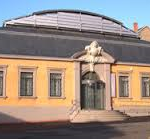
The museums’ focus is on modern and contemporary art from about 1870. The collection contains works of impressionists, post-impressionists, Symbolism, Nabis and subsequent artistic developments. Artists from the region and contemporary exhibitions put the collection into a comparative perspective.
Chartreuse Villeneuve les Avignon
France / Villeneuve-les-Avignon
In 1127, the order of the Carthusian monks is born. From the very start, the community splits into two groups: the fathers live a life of prayers in their cells, whereas the brothers take the charge of the necessities of a domestic life and The La Chartreuse of Villeneuve les Avignon took shape in the … Read more » “Chartreuse Villeneuve les Avignon”
Pierre de Luxembourg Museum
France / Villeneuve-les-Avignon
The museum (Musée Pierre-de-Luxembourg) exhibits objects from the abbey of Saint-André and the chartreuse of Val de Bénédiction in Villeneuve-les-Avignon and religious paintings and fine arts from the 14th century onwards.
Fort Saint-Andre
France / Villeneuve-lez-Avignon
Built in 1360, the fort stood at the frontier with the Holy Roman Empire and near the papal residence in Avignon. The fort had a permanent garrison, a court of justice and a prison. Its strategic significance, however, declined in 1480 when Provence became part of France. Soldiers continued to occupy the site until 1792. … Read more » “Fort Saint-Andre”
Victor Hugo Museum
France / Villequier
The museum (Musée Victor Hugo) shows the literary work, drawings and personal belongings of Victor Hugo and of the literary and journalistic works of August Vaquerie, a close friend of Victor Hugo.
Museum of the French Revolution
France / Vizille
The castle shelters the museum of the French Revolution (Musée de la Révolution française ) The collections gather pieces of art such as paintings, drawings, sculptures and engravings. One can see figurative piece of art too such as English and French ceramics, tapestries, materials and furniture. But one can also find French and foreign historical pieces such … Read more » “Museum of the French Revolution”
France / Villeneuve-les-Avignon
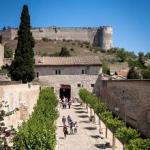
In 1127, the order of the Carthusian monks is born. From the very start, the community splits into two groups: the fathers live a life of prayers in their cells, whereas the brothers take the charge of the necessities of a domestic life and The La Chartreuse of Villeneuve les Avignon took shape in the … Read more » “Chartreuse Villeneuve les Avignon”
Pierre de Luxembourg Museum
France / Villeneuve-les-Avignon
The museum (Musée Pierre-de-Luxembourg) exhibits objects from the abbey of Saint-André and the chartreuse of Val de Bénédiction in Villeneuve-les-Avignon and religious paintings and fine arts from the 14th century onwards.
Fort Saint-Andre
France / Villeneuve-lez-Avignon
Built in 1360, the fort stood at the frontier with the Holy Roman Empire and near the papal residence in Avignon. The fort had a permanent garrison, a court of justice and a prison. Its strategic significance, however, declined in 1480 when Provence became part of France. Soldiers continued to occupy the site until 1792. … Read more » “Fort Saint-Andre”
Victor Hugo Museum
France / Villequier
The museum (Musée Victor Hugo) shows the literary work, drawings and personal belongings of Victor Hugo and of the literary and journalistic works of August Vaquerie, a close friend of Victor Hugo.
Museum of the French Revolution
France / Vizille
The castle shelters the museum of the French Revolution (Musée de la Révolution française ) The collections gather pieces of art such as paintings, drawings, sculptures and engravings. One can see figurative piece of art too such as English and French ceramics, tapestries, materials and furniture. But one can also find French and foreign historical pieces such … Read more » “Museum of the French Revolution”
France / Villeneuve-les-Avignon
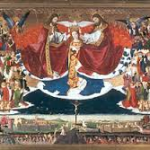
The museum (Musée Pierre-de-Luxembourg) exhibits objects from the abbey of Saint-André and the chartreuse of Val de Bénédiction in Villeneuve-les-Avignon and religious paintings and fine arts from the 14th century onwards.
Fort Saint-Andre
France / Villeneuve-lez-Avignon
Built in 1360, the fort stood at the frontier with the Holy Roman Empire and near the papal residence in Avignon. The fort had a permanent garrison, a court of justice and a prison. Its strategic significance, however, declined in 1480 when Provence became part of France. Soldiers continued to occupy the site until 1792. … Read more » “Fort Saint-Andre”
Victor Hugo Museum
France / Villequier
The museum (Musée Victor Hugo) shows the literary work, drawings and personal belongings of Victor Hugo and of the literary and journalistic works of August Vaquerie, a close friend of Victor Hugo.
Museum of the French Revolution
France / Vizille
The castle shelters the museum of the French Revolution (Musée de la Révolution française ) The collections gather pieces of art such as paintings, drawings, sculptures and engravings. One can see figurative piece of art too such as English and French ceramics, tapestries, materials and furniture. But one can also find French and foreign historical pieces such … Read more » “Museum of the French Revolution”
France / Villeneuve-lez-Avignon
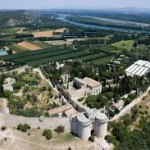
Built in 1360, the fort stood at the frontier with the Holy Roman Empire and near the papal residence in Avignon. The fort had a permanent garrison, a court of justice and a prison. Its strategic significance, however, declined in 1480 when Provence became part of France. Soldiers continued to occupy the site until 1792. … Read more » “Fort Saint-Andre”
Victor Hugo Museum
France / Villequier
The museum (Musée Victor Hugo) shows the literary work, drawings and personal belongings of Victor Hugo and of the literary and journalistic works of August Vaquerie, a close friend of Victor Hugo.
Museum of the French Revolution
France / Vizille
The castle shelters the museum of the French Revolution (Musée de la Révolution française ) The collections gather pieces of art such as paintings, drawings, sculptures and engravings. One can see figurative piece of art too such as English and French ceramics, tapestries, materials and furniture. But one can also find French and foreign historical pieces such … Read more » “Museum of the French Revolution”
France / Villequier
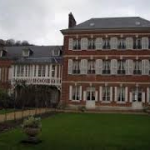
The museum (Musée Victor Hugo) shows the literary work, drawings and personal belongings of Victor Hugo and of the literary and journalistic works of August Vaquerie, a close friend of Victor Hugo.
Museum of the French Revolution
France / Vizille
The castle shelters the museum of the French Revolution (Musée de la Révolution française ) The collections gather pieces of art such as paintings, drawings, sculptures and engravings. One can see figurative piece of art too such as English and French ceramics, tapestries, materials and furniture. But one can also find French and foreign historical pieces such … Read more » “Museum of the French Revolution”
France / Vizille
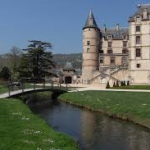
The castle shelters the museum of the French Revolution (Musée de la Révolution française ) The collections gather pieces of art such as paintings, drawings, sculptures and engravings. One can see figurative piece of art too such as English and French ceramics, tapestries, materials and furniture. But one can also find French and foreign historical pieces such … Read more » “Museum of the French Revolution”