


The museum (Le musée des Beaux-Arts et d’Archéologie ) offers a broad collection, Egyptian archaeology, Greek and Roman artefacts to the collections of paintings and sculptures dating from the Middle Ages up to the 20th century and an collection of 5,000 drawings.
Museum of Fine Arts and Archaeology
France / Besançon
Museum of Time
France / Besançon
The museum (musée du temps) presents the historical, technical and scientific aspects of time measurement and hosts temporary exhibitions.
Regional Fund of Contemporary Art
France / Besançon
The FRAC (Fonds Régional d’Art Contemporain) of the Franche-Comté collection includes works by 264 artists and comprises 495 works in different domains, including painting, photography, sculpture, installation, graphic art, textile art and audiovisual pieces.
Citadel of Besancon
France / Besançon
The citadel (La Citadelle), built by Vauban in the 17th century, is considered one of the most beautiful fortress in France. The Citadel houses three museums: the Museum of Resistance and Deportation, the Museum of Franche-Comté and the Museum that includes various spaces dedicated to animals
Victor Hugo House Besançon
France / Besançon
On 26 February 1802, the house (Maison Victor Hugo) of 140 Grande-Rue in Besançon was the birthplace of Victor Hugo (deceased 1885). This house now presents a contemporary scenography of the political struggle of the committed writer and organises exhibitions and lectures on his activities.
Roman Museum Biesheim
France / Biesheim
The museum (musée gallo-romain) shows archaeological discoveries in an important township in the north of the region. The collections are organised into three main groups: military and commercial functions, funeral rites and religion, and diverse aspects of daily life.
Archaeological Roman Park Bliesbruck
France / Bliesbruck
Between Bliesbruck (Moselle) and Reinheim (Saarland), Blies flows into a large and beautiful valley dominated by a small hill, the Homerich. The archaeological park in this valley refers to the Bronze Age (around 1200 BC), the Iron Age (700-150 BC) and the Celts (from the 7th century BC ) and the Roman period, when the … Read more » “Archaeological Roman Park Bliesbruck”
France / Besançon
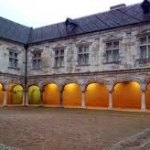
The museum (musée du temps) presents the historical, technical and scientific aspects of time measurement and hosts temporary exhibitions.
Regional Fund of Contemporary Art
France / Besançon
The FRAC (Fonds Régional d’Art Contemporain) of the Franche-Comté collection includes works by 264 artists and comprises 495 works in different domains, including painting, photography, sculpture, installation, graphic art, textile art and audiovisual pieces.
Citadel of Besancon
France / Besançon
The citadel (La Citadelle), built by Vauban in the 17th century, is considered one of the most beautiful fortress in France. The Citadel houses three museums: the Museum of Resistance and Deportation, the Museum of Franche-Comté and the Museum that includes various spaces dedicated to animals
Victor Hugo House Besançon
France / Besançon
On 26 February 1802, the house (Maison Victor Hugo) of 140 Grande-Rue in Besançon was the birthplace of Victor Hugo (deceased 1885). This house now presents a contemporary scenography of the political struggle of the committed writer and organises exhibitions and lectures on his activities.
Roman Museum Biesheim
France / Biesheim
The museum (musée gallo-romain) shows archaeological discoveries in an important township in the north of the region. The collections are organised into three main groups: military and commercial functions, funeral rites and religion, and diverse aspects of daily life.
Archaeological Roman Park Bliesbruck
France / Bliesbruck
Between Bliesbruck (Moselle) and Reinheim (Saarland), Blies flows into a large and beautiful valley dominated by a small hill, the Homerich. The archaeological park in this valley refers to the Bronze Age (around 1200 BC), the Iron Age (700-150 BC) and the Celts (from the 7th century BC ) and the Roman period, when the … Read more » “Archaeological Roman Park Bliesbruck”
France / Besançon
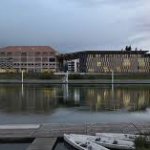
The FRAC (Fonds Régional d’Art Contemporain) of the Franche-Comté collection includes works by 264 artists and comprises 495 works in different domains, including painting, photography, sculpture, installation, graphic art, textile art and audiovisual pieces.
Citadel of Besancon
France / Besançon
The citadel (La Citadelle), built by Vauban in the 17th century, is considered one of the most beautiful fortress in France. The Citadel houses three museums: the Museum of Resistance and Deportation, the Museum of Franche-Comté and the Museum that includes various spaces dedicated to animals
Victor Hugo House Besançon
France / Besançon
On 26 February 1802, the house (Maison Victor Hugo) of 140 Grande-Rue in Besançon was the birthplace of Victor Hugo (deceased 1885). This house now presents a contemporary scenography of the political struggle of the committed writer and organises exhibitions and lectures on his activities.
Roman Museum Biesheim
France / Biesheim
The museum (musée gallo-romain) shows archaeological discoveries in an important township in the north of the region. The collections are organised into three main groups: military and commercial functions, funeral rites and religion, and diverse aspects of daily life.
Archaeological Roman Park Bliesbruck
France / Bliesbruck
Between Bliesbruck (Moselle) and Reinheim (Saarland), Blies flows into a large and beautiful valley dominated by a small hill, the Homerich. The archaeological park in this valley refers to the Bronze Age (around 1200 BC), the Iron Age (700-150 BC) and the Celts (from the 7th century BC ) and the Roman period, when the … Read more » “Archaeological Roman Park Bliesbruck”
France / Besançon
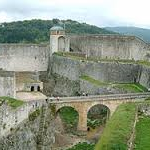
The citadel (La Citadelle), built by Vauban in the 17th century, is considered one of the most beautiful fortress in France. The Citadel houses three museums: the Museum of Resistance and Deportation, the Museum of Franche-Comté and the Museum that includes various spaces dedicated to animals
Victor Hugo House Besançon
France / Besançon
On 26 February 1802, the house (Maison Victor Hugo) of 140 Grande-Rue in Besançon was the birthplace of Victor Hugo (deceased 1885). This house now presents a contemporary scenography of the political struggle of the committed writer and organises exhibitions and lectures on his activities.
Roman Museum Biesheim
France / Biesheim
The museum (musée gallo-romain) shows archaeological discoveries in an important township in the north of the region. The collections are organised into three main groups: military and commercial functions, funeral rites and religion, and diverse aspects of daily life.
Archaeological Roman Park Bliesbruck
France / Bliesbruck
Between Bliesbruck (Moselle) and Reinheim (Saarland), Blies flows into a large and beautiful valley dominated by a small hill, the Homerich. The archaeological park in this valley refers to the Bronze Age (around 1200 BC), the Iron Age (700-150 BC) and the Celts (from the 7th century BC ) and the Roman period, when the … Read more » “Archaeological Roman Park Bliesbruck”
France / Besançon

On 26 February 1802, the house (Maison Victor Hugo) of 140 Grande-Rue in Besançon was the birthplace of Victor Hugo (deceased 1885). This house now presents a contemporary scenography of the political struggle of the committed writer and organises exhibitions and lectures on his activities.
Roman Museum Biesheim
France / Biesheim
The museum (musée gallo-romain) shows archaeological discoveries in an important township in the north of the region. The collections are organised into three main groups: military and commercial functions, funeral rites and religion, and diverse aspects of daily life.
Archaeological Roman Park Bliesbruck
France / Bliesbruck
Between Bliesbruck (Moselle) and Reinheim (Saarland), Blies flows into a large and beautiful valley dominated by a small hill, the Homerich. The archaeological park in this valley refers to the Bronze Age (around 1200 BC), the Iron Age (700-150 BC) and the Celts (from the 7th century BC ) and the Roman period, when the … Read more » “Archaeological Roman Park Bliesbruck”
France / Biesheim

The museum (musée gallo-romain) shows archaeological discoveries in an important township in the north of the region. The collections are organised into three main groups: military and commercial functions, funeral rites and religion, and diverse aspects of daily life.
Archaeological Roman Park Bliesbruck
France / Bliesbruck
Between Bliesbruck (Moselle) and Reinheim (Saarland), Blies flows into a large and beautiful valley dominated by a small hill, the Homerich. The archaeological park in this valley refers to the Bronze Age (around 1200 BC), the Iron Age (700-150 BC) and the Celts (from the 7th century BC ) and the Roman period, when the … Read more » “Archaeological Roman Park Bliesbruck”
France / Bliesbruck
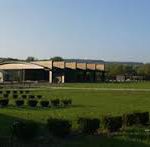
Between Bliesbruck (Moselle) and Reinheim (Saarland), Blies flows into a large and beautiful valley dominated by a small hill, the Homerich. The archaeological park in this valley refers to the Bronze Age (around 1200 BC), the Iron Age (700-150 BC) and the Celts (from the 7th century BC ) and the Roman period, when the … Read more » “Archaeological Roman Park Bliesbruck”